

On this page
Does the product exist and can it be photographed?
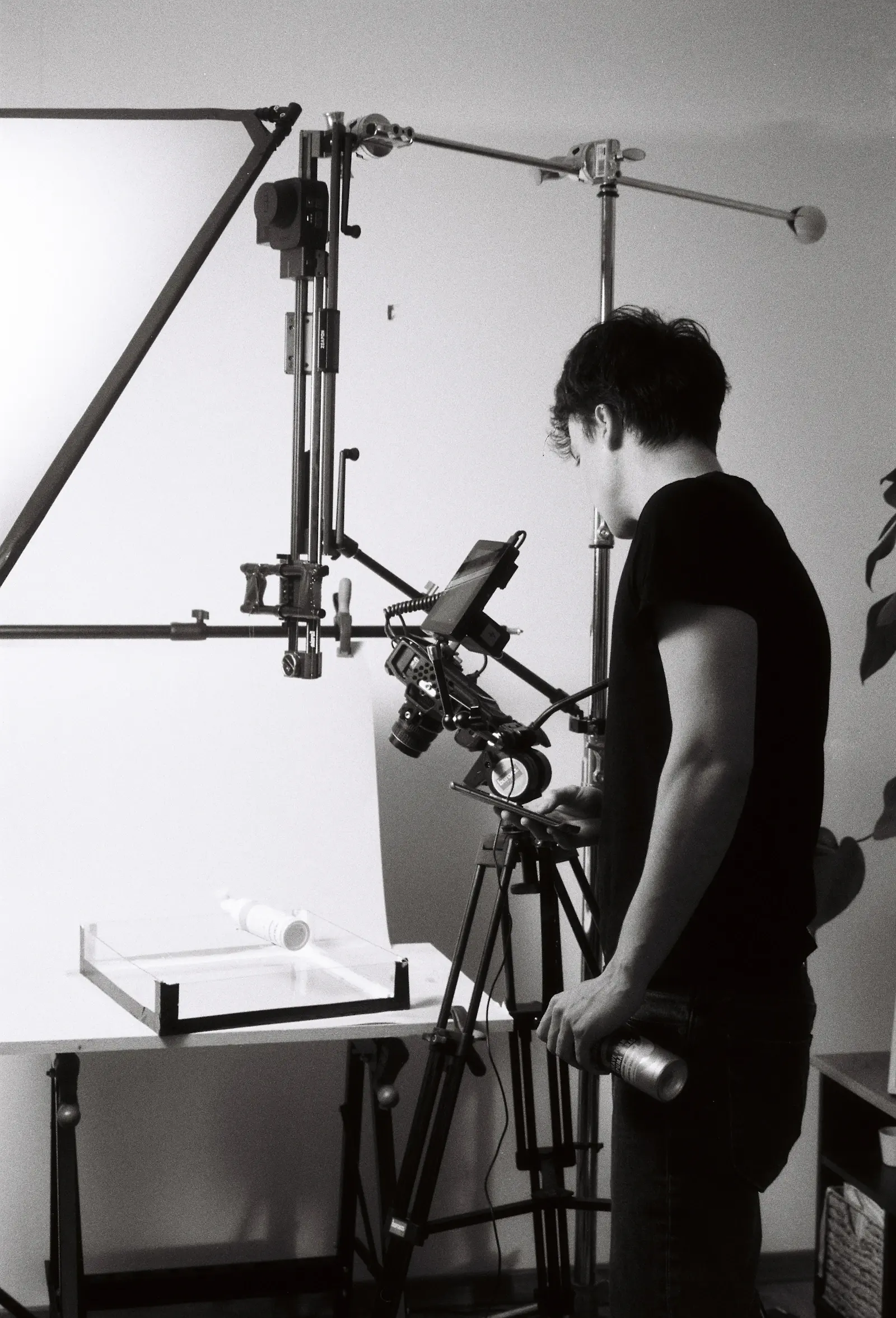
With a finished, representative sample, photography can record its actual appearance. Consider session preparation and what the pieces need to be shown clearly.
For a product still in development, 3D work can represent a proposal when sufficient information exists. This requires reviewing what is defined and confirming that the final image matches what will be offered.

How many items and combinations do you need?
A family may share geometry and vary in finishes, or differ substantially between items. Review this structure before estimating production.
The decision is not just a count of colours. Consider which base can be reused, what needs new preparation and what checks will keep the range consistent.
| Criterion | Photography | 3D render |
|---|---|---|
| Starting point | A product or sample that can be photographed. | Modelling information or a model that can be reviewed. |
| Finishes | Records those of the prepared sample. | Needs references and material validation. |
| Variants | Requires planning what is photographed or adapted. | Requires defining shared and changing elements. |
| Updates | Depend on new samples and available material. | Depend on the base and product changes. |
Is 3D work always less expensive?
The technique alone cannot tell you. Modelling, references, variants, finishing, reviews and uses all matter. Compare quotations for an equivalent scope.
Which details must appear exactly as they are?
Textures, fabrics, transparency, joints and small finishes may be decisive when assessing a product. Define which details need checking against samples and which references will be used.
An attractive image that simplifies a significant characteristic can create the wrong expectation. Someone who knows the item being sold should validate it, whether photographed or represented in 3D.
Want us to look at your case? Leave us your details and we’ll tell you where we would start.
Let's talkWill the images appear in the same catalogue?
Agree framing, proportions, backgrounds and scale criteria. The series should allow recognition and comparison as well as working in individual presentations.
When combining techniques, prepare a shared visual reference. The aim is continuity across the range without hiding differences a buyer needs to understand.
Can I combine renders and photographs?
Yes, when they follow a common visual direction and each image has a clear purpose. Agree how scale, finish and range consistency will be reviewed.
What will the website and campaigns need?
A product page may need a main view, detail and scale references. A campaign may require space for text. A printed catalogue adds its own delivery conditions.
Include these uses in the initial proposal. A set of large images does not automatically cover every adaptation or explain who will prepare later material.
Decide using an equivalent scope
Ask proposals to specify items, views, preparation, reviews, formats and subsequent use. You can then compare the actual work being delivered.
At crida studio we can consider 3D visualisation alongside brand and the digital catalogue. The first conversation should establish what material exists and what the person choosing the product needs to understand.
Can I reuse a model for new colours?
It may be possible when the geometry remains valid and materials support the adaptation. Changes to finishes, parts or construction need reviewing before being treated as included.
