

On this page
What should the viewer understand?
Begin with a specific question from the person buying or using the product. They may need to understand how a machine fits into their process, what changes between configurations or what to prepare for a demonstration. If the brief starts with a list of visual effects, these questions often surface after important production decisions have already been made.
Separate audiences and moments. A technical buyer may need details that do not belong in an initial campaign video. A sales team might use one sequence in a meeting and send another afterwards. Define a main version and adaptations with a clear purpose. Do not assume the same edit will work equally well at an exhibition, on a website and as an operating explanation.
How long should an industrial explainer be?
Long enough to answer its specific question without combining too many objectives. The script and viewing context help establish duration and useful versions.
Should you use filming, motion graphics or 3D?
Choose according to what exists and what needs to be seen. Filming can show a real setting or action. Animated graphics can organise information, stages and relationships. 3D can represent components or viewpoints that are hard to photograph, provided the source information and review process allow the product to be represented accurately.
Combining techniques can help when each explains something different. A filmed exterior view can establish the product while a represented section explains its internal operation. Identify a representation where it could be mistaken for evidence of the finished product. The choice should improve understanding rather than create a more elaborate visual that still needs the same explanation beside it.
Can it be produced without filming on site?
Sometimes, using graphics, existing material or 3D. Review whether the available information can represent the product accurately and distinguish a proposed design from something already made.
What should be approved before animation starts?
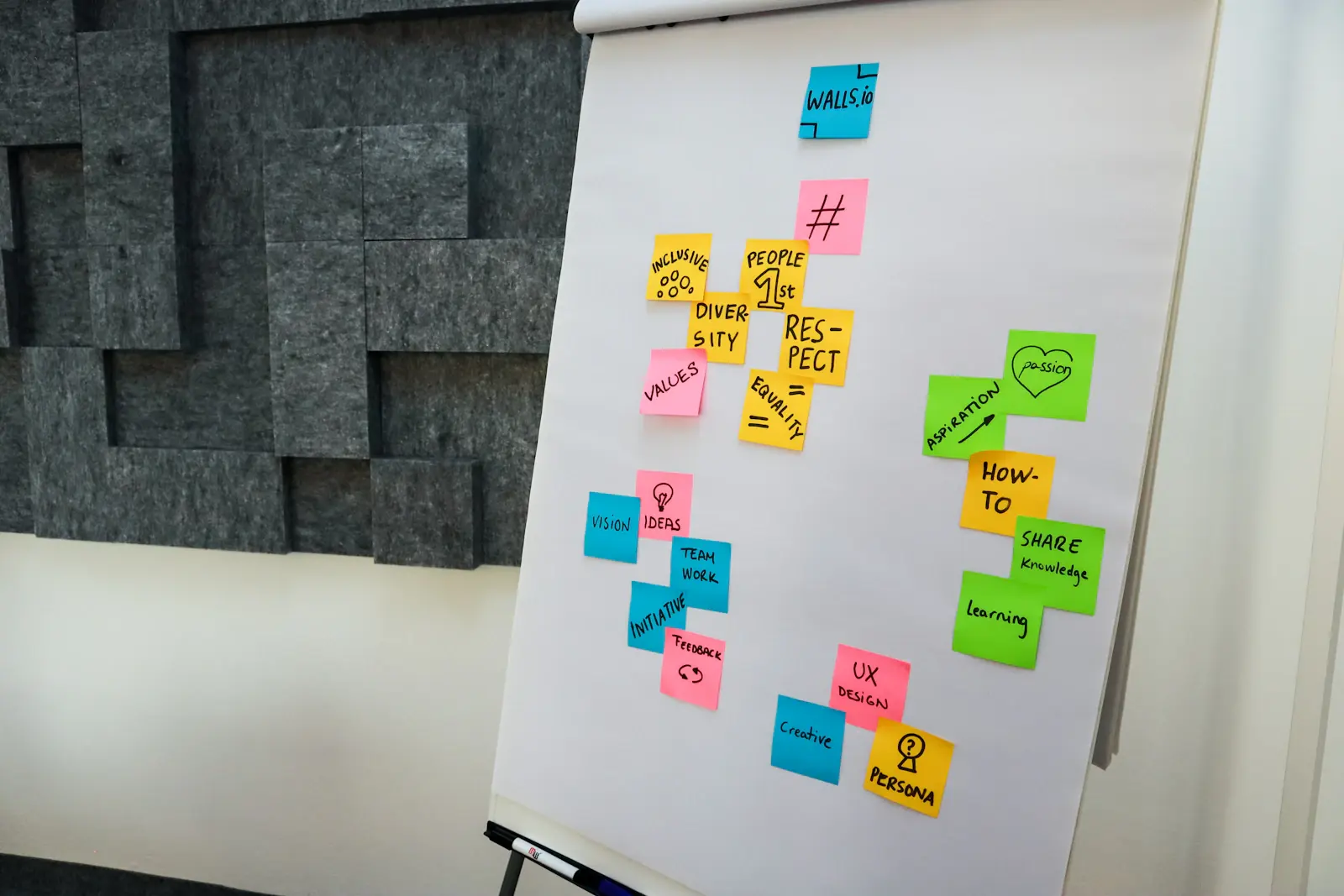
Review the information and the order of the explanation first. Then agree scenes, viewpoints, on-screen text and the relationship with narration. A storyboard lets the team discuss these decisions before producing every asset. Adobe describes this visual planning as a way to guide production from the script rather than leaving each shot open to interpretation.
At crida studio, we give each scene a job. It may establish the problem, show an operation, clarify a difference or support the next action. If it simply repeats a sentence without adding visual information, reconsider it. Identify who approves technical details and who reviews the brand language, so changes from different people do not pull the sequence in conflicting directions.
- Which claim is being made and what material supports it.
- What needs to be shown and what belongs in text or narration.
- Who approves the scene and when it is considered accepted.
Want us to look at your case? Leave us your details and we’ll tell you where we would start.
Let's talkHow might you explain a machine with different configurations?
Imagine a manufacturer offering one machine with several feeding systems. This is an illustrative approach, not a crida studio success story. A video might establish the shared function, compare the inputs and finish by explaining what information the sales team needs to recommend a configuration. The sequence follows a buyer’s decision rather than a tour of every component.
Compare options at the same scale, with consistent framing and recognisable names. There is no need to animate the entire machine if the buyer only needs to understand where configurations differ. The manufacturer should validate performance, dimensions and operating conditions. If these are undecided, record that in the production documentation rather than presenting a proposal as a final specification.
What should you provide for a production proposal?
Collect technical specifications, visual references, relevant dimensions and brand material. If a 3D model exists, its condition, format and permitted use need checking. Having a file does not establish that it is animation-ready. Internal components, materials and moving parts may require additional preparation before the model can support the sequence you want to show.
Include where the video will appear, its languages and the person reviewing its content. Clarify which photographs or footage the studio can use and who will obtain missing material. A video serving several channels needs defined deliverables. The proposal should specify versions, review stages and final files, as well as who retains source material for a later product update.
Can we reuse an existing 3D model?
Its format, structure, detail and permissions need checking. It may provide a starting point without being ready for the visual finish or animation required.
How will it work without sound or in another language?
Check that important information does not depend entirely on hearing narration. Consider on-screen text, captions and the relationship between visuals and sound while writing the script. W3C’s audiovisual accessibility guidance distinguishes resources including captions and transcripts. The appropriate provision depends on the information in the video and how that information is communicated.
An exhibition screen, a phone and a sales presentation create different reading conditions. Test text at its actual display size rather than loading every specification into one scene. For multiple languages, review terminology length and narration pace. Translating after an animation has been signed off can require reworking compositions that previously seemed complete, so agree the language plan before production.
Can you plan Catalan, Spanish and English versions?
Yes, these languages can be included in the brief. Text, narration, captions and technical review for each version need to be agreed within the scope.
How can you tell whether it helps sales conversations?
Define the intended action and how you will observe it before publishing. On a website, that might be continuing to a specification or enquiry. In a meeting, it might be understanding a difference without repeating the explanation. Views alone do not demonstrate increased sales or establish that the people making enquiries are suitable buyers.
Compare equivalent situations and collect the questions that still arise. A recurring question may indicate a missing scene or information needed on the accompanying page. At crida studio, we connect the video with the brand, catalogue and website experience. That gives the brief a concrete purpose and provides the same criterion for reviewing the finished piece after delivery.
